Feeling unsafe during your journey—whether in a hostel or out exploring—can quickly turn an adventure into a stressful ordeal.
Hostels, while generally safe and social, can sometimes feel uncomfortable, especially if you’re traveling solo or unfamiliar with the environment.
This guide will walk you through practical steps to take when you feel unsafe, ensuring you’re equipped to handle any situation that arises.
Common Safety Concerns
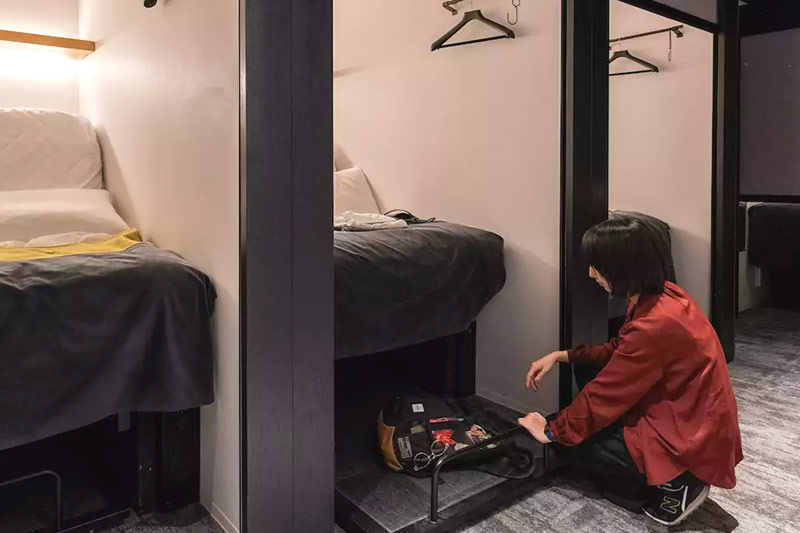
- Theft: Shared spaces like dorms can increase the risk of losing valuables. Unattended belongings or inadequate storage options can make theft an issue in some rare hostels.
- Physical Harm: Altercations, accidents, or unsafe environments can occasionally pose threats to your physical well-being.
- Harassment: Unwanted attention or inappropriate behavior from other travelers or staff can create discomfort or even danger.
- Cultural Misunderstandings: Misinterpreting social norms or offending locals inadvertently can lead to tense or unsafe situations.
- Being a Minority: Sometimes, simply being in a situation where you are in the minority—such as being the only woman in a dorm full of men—can feel intimidating, even if no overt threat exists.
Remember to Always:
- Trust Your Instincts: If something feels off—whether it’s the behavior of other guests, the hostel’s location, or its atmosphere—it’s worth listening to that inner voice. Trusting your instincts is often the first step to avoiding trouble. If your instinct tells you the environment is unsafe, it’s best to leave it.
- Be Aware of Your Surroundings: Familiarize yourself with emergency exits and assess the general environment. Situational awareness can help you identify risks early and act accordingly.
Common Problems and Solutions When You Feel Unsafe in a Hostel
The general rule when you feel unsafe is simple: leave and switch accommodations. Your safety should always take priority, and if something doesn’t feel right, finding a new place to stay is the best course of action. That’s why the most important step is prevention—reading the rest of this article can help you avoid unsafe situations in the first place.
Another universal tip is to video call someone you trust back home whenever you feel uncomfortable. Having someone “with you” virtually can provide immediate support and act as a deterrent to anyone behaving inappropriately. The presence of a witness, even on a screen, often discourages unsafe behavior or prevents escalation.
Below, we explore common problems travelers may encounter in hostels and provide solutions to address them effectively. Whether the issue arises from fellow guests, the environment, or even the staff, these practical tips will help you navigate and resolve unsafe situations.
- Problem: You Feel Uncomfortable with a Roommate
Solution: Speak to the hostel staff and request a room change. Most hostels are accommodating in such cases, especially if you explain your concerns. If no private or alternative rooms are available, consider staying elsewhere for the night. Always prioritize your comfort over convenience.
- Problem: Your Belongings Don’t Feel Secure
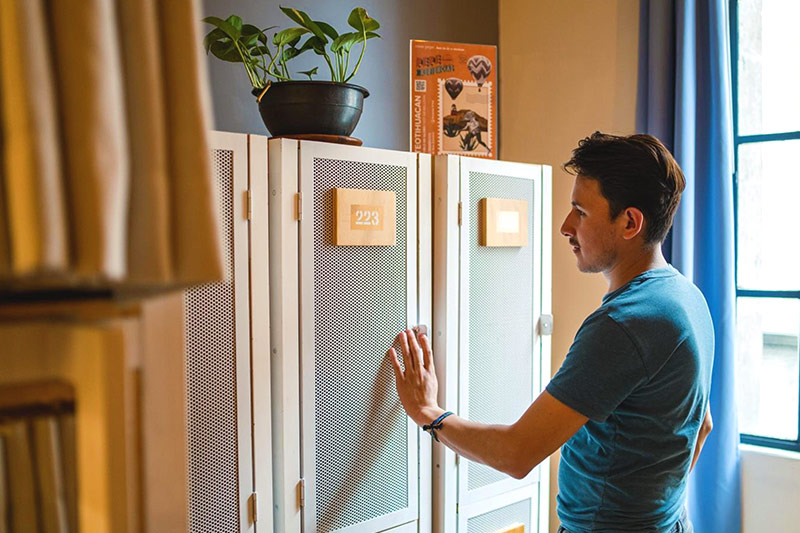
Solution: Use a personal padlock for lockers or bags. If the hostel’s lockers are unreliable, keep valuable items like your passport, money, or electronics in a small bag you can carry with you. For long-term stays, consider using a portable travel safe or switching to accommodations with better security features. In worst-case scenarios where you want to leave but can’t find another place, you could even leave your stuff at a luggage storage near you for the night.
- Problem: The Hostel Staff Are Unhelpful or Dismissive
Solution: Stay calm and persistent. Ask to speak to the manager or owner if your concerns are dismissed. If no resolution is provided, document your interactions (e.g., keep emails, take notes of conversations) and consider leaving the hostel for alternative accommodations. Report your experience on review platforms to warn future guests.
Safety Precautions Before Your Trip
Choosing a Safe Hostel
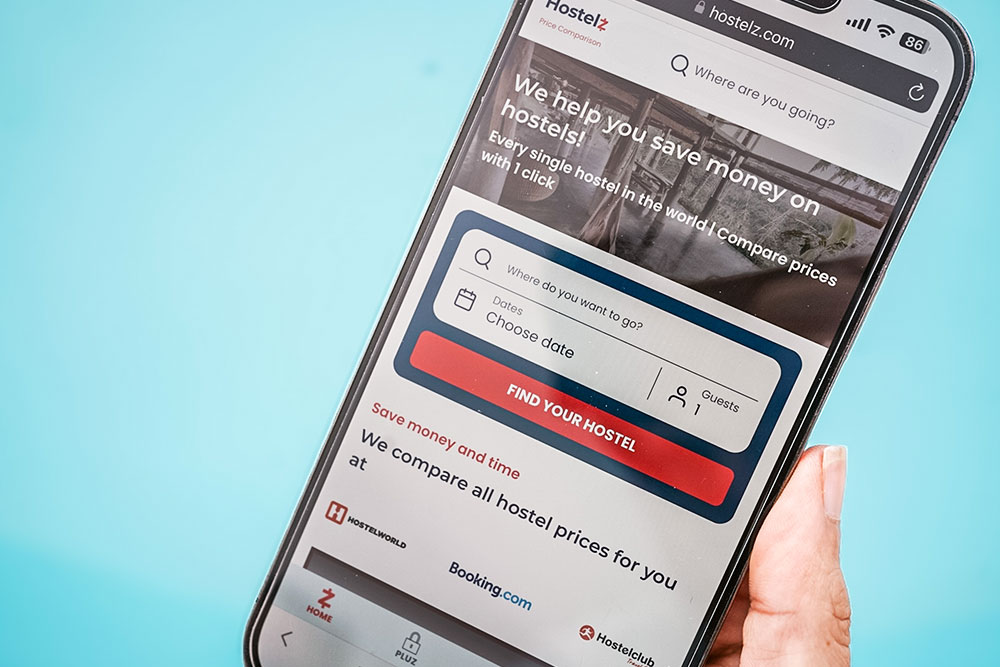
- Read Reviews: Look for consistent feedback from past guests on platforms like Hostelz, Hostelworld, or Google. Pay special attention to mentions of safety issues, cleanliness, and the behavior of staff and guests. Reviews from solo travelers (women in particular, since they generally have more safety concerns) can be particularly insightful.
- Check Security Measures: Opt for hostels with secure lockers, keycard or code-based room access, and surveillance in common areas. Some hostels also offer female-only dorms or private rooms, which could add an extra layer of comfort depending on the traveler.
- Location Considerations: Research the neighborhood for safety. Avoid ‘unsafe’ areas (ask ChatGPT, Google the area, or look for Reddit reviews of the area), even if the hostel has great reviews.
Packing Smart
- Essential Item: Carry a portable phone charger!
- Valuables: Keep them to a minimum. Use a money belt or neck pouch to carry your passport, cards, and cash discreetly. Consider investing in a lock for your backpack and hostel locker.
- Emergency Kit: This depends on how safe you want to feel, but we generally recommend packing a basic first-aid kit, a whistle for signaling help, a personal safety alarm, and a laminated card with emergency contacts, including local authorities and your country’s embassy.
Travel Insurance
- Comprehensive Coverage: Choose a plan that includes health coverage, trip cancellations, lost or stolen items, and emergency evacuations. Compare policies to find one that matches your itinerary and risk factors.
- Emergency Assistance: Ensure your policy includes 24/7 emergency assistance. Keep the insurer’s contact information saved in your phone and written down as a backup.
Staying Safe During Your Stay
Securing Your Belongings
- Safe Deposit Boxes: Many hostels offer lockers or safe deposit boxes. Use these for important items like your passport, cash, and electronics. Bring a reliable padlock or combination lock if the hostel doesn’t provide one.
- Lockable Luggage: Use a luggage lock to secure your bag, even when it’s stored in your dorm. Anti-theft backpacks with lockable zippers can add an extra layer of security when you’re out exploring.
- Personal Alarms: This depends on how safe you want to feel, but you could carry a personal safety alarm as a deterrent. If you feel threatened or notice suspicious activity, activating the alarm can draw attention and potentially defuse a situation.
Socializing Safely
- Trust Your Gut: If someone’s behavior makes you uncomfortable, don’t feel obligated to engage. Your instincts are often your best guide in unfamiliar situations.
- Group Activities: Stick to group outings, especially with travelers you’ve gotten to know well. Avoid going off alone with someone you just met until you feel confident about their intentions.
- Setting Boundaries: Be clear about your personal limits and don’t hesitate to remove yourself from situations that feel unsafe or uncomfortable. Polite but firm communication can help establish boundaries early on.
- Drugs and Alcohol: Exercise caution with drugs and alcohol, as they can impair judgment and make you more vulnerable. Avoid leaving drinks unattended, and only accept drinks from people you trust completely. If you’re unsure about your environment, keep consumption to a minimum or avoid it altogether.
Nighttime Safety
- Avoiding Isolated Areas: Stick to well-lit, populated streets and avoid shortcuts through alleys or quiet areas. Familiarize yourself with the safest routes to and from the hostel.
- Travel in Groups: If you’re going out at night, team up with fellow travelers or hostelmates. There’s safety in numbers.
- Nighttime Curfews: Set a personal curfew if you’re in an unfamiliar or risky area.
Handling Emergencies: Creating an Emergency Plan
Emergency Contacts
- Local Emergency Numbers: Research and memorize the emergency numbers for police, medical assistance, and fire services in your destination.
- Embassy Information: Note the location and contact details of your country’s embassy or consulate. They can provide assistance if you lose your passport, face legal trouble, or need urgent evacuation.
Responding to Threats
- De-escalation Techniques: Stay calm and avoid confrontation. Use non-threatening body language and maintain a neutral tone. If someone is acting aggressively, attempt to remove yourself from the situation without escalating it. Acting dumb instead of confrontational is often a lifesaver.
- Self-Defense Strategies: While physical action should be a last resort, basic self-defense knowledge can be empowering. Learn techniques to protect yourself, such as breaking free from holds or targeting sensitive areas like the eyes or groin.
- Seeking Help: If you feel threatened, move to a safe and populated area immediately. Alert hostel staff or local authorities, and don’t hesitate to use your personal alarm to draw attention.
Additional Tips for Solo Travelers
- Regular Check-ins: Inform a friend or family member of your itinerary and update them periodically. Share your location when you move to a new city or accommodation.
- GPS Tracking: Use apps like Google Maps or specialized safety apps with live location sharing to let trusted contacts monitor your movements discreetly.
- Social Media Updates: Post updates sparingly but strategically to signal your well-being without oversharing sensitive details like your exact location.
- Set Up SOS Features: Activate your phone’s emergency features, like the SOS function, which can send your location to pre-selected contacts during a crisis.
- Agree on a Check-In Schedule: If traveling solo, arrange regular check-ins with someone back home to ensure they’re aware of your movements and can act if they lose contact with you.
Building a Support Network
- Travel Communities: Join local or global travel communities like Facebook groups or platforms such as Couchsurfing. These can help you connect with like-minded travelers for advice or companionship.
- Local Contacts: Make friends with hostel staff, guides, or locals you trust. They can provide valuable safety tips and offer help if you encounter trouble.
Emergency Apps
- RedZone: Maps areas with reported crimes, helping you avoid unsafe neighborhoods.
- TripWhistle: Provides emergency numbers for police, medical, and fire services in over 200 countries, ensuring you know who to call in a crisis.
- bSafe: A personal safety app that lets you share your location with trusted contacts, activate an SOS alarm, or set up fake calls to deter potential threats.
- Download Offline Maps: Use apps like Google Maps or Maps.me to download maps of your destination before you travel. Mark key locations such as your accommodation, local police stations, hospitals, and embassies for easy navigation without internet access.
Backup Communication Tools
- Portable Chargers: Always carry a fully charged power bank to ensure your phone stays operational.
- Offline Messaging Apps: Apps like Bridgefy or FireChat allow for communication without internet access in certain scenarios, like crowded events or rural areas.
- SIM Cards or Local Numbers: Consider getting a local SIM card or an international roaming plan for easier connectivity during emergencies.
What to Do If an Incident Occurs

Reporting the Incident
- Notify the Hostel Staff: Immediately inform the hostel management about theft, harassment, or other concerns. They may assist in resolving the situation or provide support, such as contacting local authorities.
- Contact Local Authorities: Report the incident to the nearest police station. Request a copy of the police report, as this will be essential for insurance claims or further action.
- Reach Out to Your Embassy: For serious incidents, such as assault or significant loss, contact your country’s embassy or consulate. They can provide legal guidance, translator assistance, or direct you to local resources.
Seeking Emotional Support
- Reach Out to Trusted Contacts: Share your experience with friends or family to feel less isolated. Speaking with someone who knows you can be comforting after a distressing event.
- Seek Professional Help: Many destinations have crisis hotlines or counselors available for travelers. If the hostel offers support services, take advantage of them. Online therapy services like BetterHelp can also provide immediate access to professionals.
- Join Support Groups: Online communities, such as Facebook groups for travelers or Reddit threads like r/solotravel, can offer solidarity and advice from those who’ve faced similar situations.
Insurance Claims
- Document the Incident: Collect all relevant evidence, including photos of damaged or stolen items, receipts for purchased goods, and a copy of the police report.
- Contact Your Insurance Provider: Notify your travel insurance company as soon as possible to initiate the claims process. Provide all required documentation to expedite the procedure.
- Keep a Record: Save all communication with the insurance company, including emails or phone call logs, for reference.
Additional Steps to Regain Confidence

- Take Time to Recover: Give yourself space to process the event. It’s okay to take a day off from traveling to reset.
- Reassess Your Plans: If the incident impacts your travel route or accommodation choices, adjust accordingly to prioritize your safety and peace of mind.
Traveling can be an enriching experience, but safety is a fundamental aspect of ensuring it remains enjoyable. By being prepared, staying aware, and knowing how to respond to challenges, you can navigate even the most difficult situations with confidence. Remember, your safety always comes first.

First-Time in a Hostel? 17 Basic & Advanced Tips to have a great Time
Sleeping and staying in hostels can be challenging. Between having to share with people you don't necessarily know,
Read moreHostelz.com is the world's most comprehensive hostel-focused travel platform. We bring together listings from all the major booking sites to help you easily compare prices, see real guest reviews, and find the best deals—no matter where you're headed. Check out our How It Works page.
Not sure which hostel to pick? Use our Hostel Comparizon Tool to compare your favorite hostels side-by-side before you book.
Let us help you travel smarter and sleep cheaper.

About the author: Jasmine Phoenician
I’m Jasmine, a solo traveler who’s spent years exploring the world on my own. I’m drawn to local food, everyday culture, and music scenes that tell you more about a place than any guidebook ever could.
Traveling solo has taught me how to read situations, trust my instincts, and handle the not-so-perfect moments on the road. I love it!
I write to share honest, practical experiences that help other travelers feel more confident, prepared, and safe wherever they go.
You are Overpaying for Hostels - that Stops now!
The same room can cost different prices on Hostelworld and Booking. 😱
Hostelz compares hostel prices for you. Save up to 23%.

Easily Compare Travel Insurance
Starting from $42/month
Starting from $50/month
Affordable and customizable

Compare 3 Hostels Side by Side
Not sure which hostel to pick? Use our Comparizon Tool to compare up to 3 hostels side-by-side. See prices, ratings, amenities, and more—all in one place.

Special Hostel Deals & Exclusive Guides with Pluz
Create Your Free Account

Special Hostel Deals & Exclusive Guides with Pluz
Create Your Free Account